Have you ever started preparing a recipe and wondered how many lemons you need to get the amount of juice called for? Although it seems like a simple question, not all lemons contain the same amount of juice.
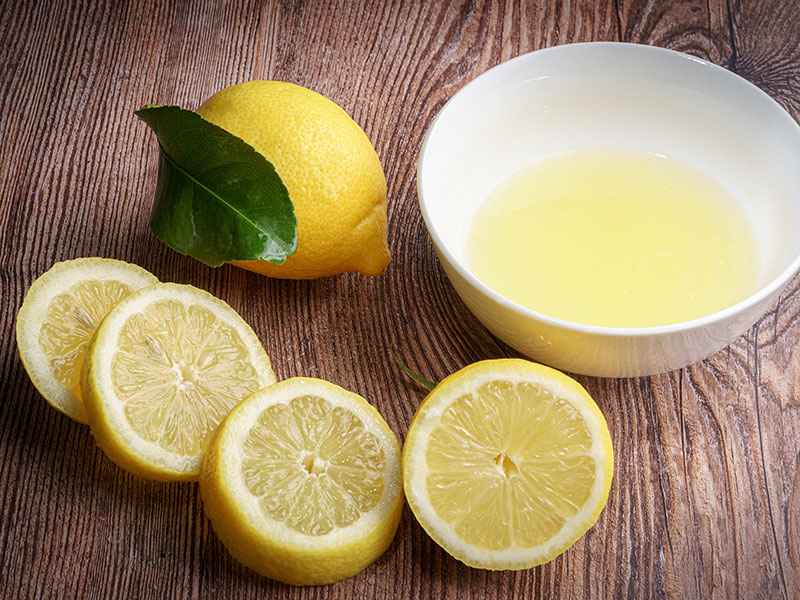
A medium-sized lemon usually yields between 30 and 45 ml of juice, or about 2 or 3 tablespoons. However, the amount may vary depending on the lemon’s size, variety, ripeness, and how it is squeezed.
As always, at Frutas Poveda we want to help you get the most out of every lemon, which is why we’ve put together this guide with measurements, equivalents, and a few tips you can use at home to enjoy lemons the way they deserve to be enjoyed.
How many milliliters of juice does a lemon contain, depending on its size?
As you can imagine, the size of the lemon is one of the factors that most influences the amount of juice we can get from it. Although there’s no exact measurement, these guidelines can help you figure out how much you need.
| Size | Approximate juice | Tablespoons |
| Small lemon | 15–30 ml | 1-2 |
| Medium lemon | 30–40 ml | 2-3 |
| Large lemon | 45–60 ml | 3–4 tablespoons |
Just so you know, one tablespoon is about 15 ml, and one teaspoon is 5 ml.
How many lemons do you need to get 100 ml of juice?
Whether you’re making lemonade, a dessert, or a sauce—or are simply curious—this chart we’ve created will help you figure out how many lemons you might need.
| Amount of juice | Approximate number of medium lemons you’ll need |
| 30 ml | 1 lemon |
| 50 ml | 2 lemons |
| 100 ml | 3–4 lemons |
| 150 ml | 4–5 lemons |
| 200 ml | 5–7 lemons |
We recommend buying an extra lemon when you’re making a recipe that calls for a specific amount of lemon, because, as we mentioned, these measurements are approximate.
What determines how much juice a lemon yields?
Even though two lemons may look the same on the outside, they can contain different amounts of juice. Here are some of the factors that influence this:
- Size and weight: A lemon that’s quite heavy for its size is probably because it contains more juice than usual.
- Variety: Not all lemons contain the same amount of juice. Primofiori and seedless lemons tend to yield the most juice; here you can find more information about the different varieties of lemons.
- Ripeness: The riper the lemon, the more juice it will have.
- Storage: If a lemon loses moisture while in storage, it may also lose its juiciness.
- Juicing method: Using a suitable juicer can make it easier to extract the juice, allowing you to get more juice.
That’s why, when choosing lemons for juicing, it’s best to look at their weight and condition, not just their size
5 Tips for Getting More Juice Out of a Lemon
Want to get the most out of every lemon? Try these tips before squeezing it.
1. Roll the lemon on the countertop
Before cutting it, place the lemon on a flat surface and roll it gently under the palm of your hand, applying a little pressure.
This action helps soften the pulp and makes it easier for the juice to flow out.
Try it and you’ll notice the difference right away!
2. Don’t squeeze it right after taking it out of the fridge
A lemon at room temperature is usually easier to squeeze than a very cold one.
If you have it in the refrigerator, let it come to room temperature before using it, because it will soften and be easier to squeeze out thoroughly.
3. Use a juicer
If you’re really looking to squeeze every last drop of juice out of a lemon, a mace juicer will be your best friend.
Because you’ll be able to extract the juice easily and without splattering, unlike when you do it by hand.
4. Make use of the pulp, too
If you need as much juice as possible, make sure there’s no liquid left among the pulp scraps. You can gently press them through a strainer to extract the remaining juice.
And since we’re on the subject, there are useful and sustainable ways to reuse lemon peels at home, so here are a few ideas.
5. Save any leftover juice
If you’ve squeezed more lemons than you needed, don’t waste the juice.
You can store it in the refrigerator in a clean, sealed container or freeze it in ice cube trays so you can use small amounts as needed.
In our article on how to store lemons so they last longer, we’ll share more ways to keep them in good condition.
Do seedless lemons have more juice?
A common question is whether seedless lemons contain more juice than traditional lemons.
However, the amount depends mainly on the characteristics of each variety, as well as the size and condition of the fruit, as we saw in the previous section.
That said, seedless lemons have a very practical advantage: they allow you to make juices, lemonades, cocktails, and other recipes without having to remove the seeds.
Here you can learn more about which lemon is best for cooking, baking, and making cocktails.
At Frutas Poveda, we grow seedless lemons, a very convenient option for everyday use.
Frequently Asked Questions
How much juice is in half a lemon?
Half a medium lemon can yield approximately 15 to 22 ml of juice, although this depends on its size and how juicy it is.
How many lemons do I need for a glass of juice?
To make about 200 ml of pure juice, you’ll need approximately 5 to 7 medium lemons.
Which lemon has the most juice?
There is no single answer. Variety, size, ripeness, and growing conditions all affect the final amount of juice.
Make the most of every lemon
Knowing how much juice a lemon yields will help you better plan your recipes, avoid waste, and make the most of this essential fruit in your kitchen.
And remember: choosing good lemons, storing them properly, and using the right squeezing technique can make all the difference.
At Frutas Poveda , we take care of every stage of cultivation— from fruit development to harvest—to ensure we offer high-quality lemonsthat you can make the most of in your kitchen.