All of us who have tried seedless lemons love them for their great flavor and convenience, especially when using them in recipes.But behind every lemon lies an extensive cultivation process in which every detail is carefully attended to—a process that begins long before harvest.
At Frutas Poveda, we’ve been growing lemons in the Region of Murcia for decades, and seedless lemons are one of our top priorities. Here’s how we grow them and what makes this variety special.
What is a seedless lemon?
The seedless lemon, also known as the “seedless” lemon, is a variety of lemon that, as its name suggests, does not develop seeds inside.
This is not the result of any genetic modification; rather, it is a variety that, under normal growing conditions and in the absence of cross-pollinators from other varieties, naturally produces seedless fruit.
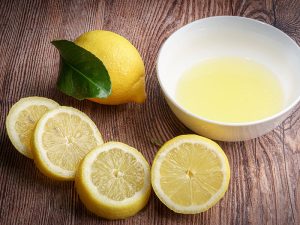
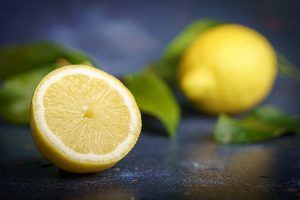
Its skin is thin and smooth, its flesh is very juicy, and its flavor is citrusy and well-balanced. You can read more about its characteristics in our article on the different varieties of lemons that exist.
Why Murcia is the ideal place to grow it
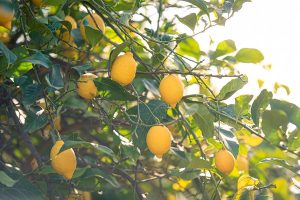
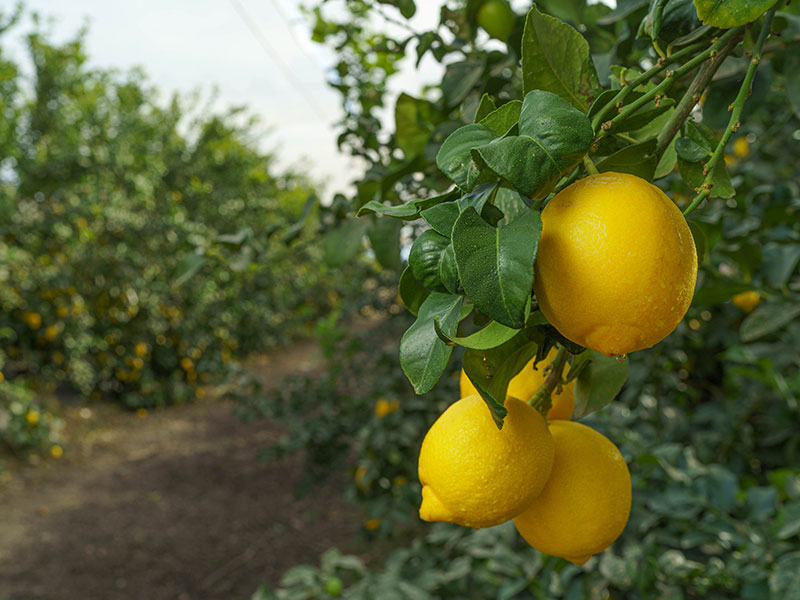
The Region of Murcia offers the ideal climate for lemon trees: mild winters, warm summers, plenty of sunshine, and well-drained soil.
This fantastic environment promotes gradual fruit ripening, resulting in juicier fruit and better flavor.
In the case of seedless lemons, the variety’s inherent characteristics allow for the production of seedless fruit. Cultivating them requires careful monitoring of farm conditions to promote tree growth and maintain the quality of the crop.
The Step-by-Step Cultivation Process
Variety selection and planting
It all starts with selecting the perfect lemon varieties— in this case, those with thin skin, plenty of juice, and, above all, no seeds.
The trees are planted at a density and orientation that facilitates ventilation, maximizes sunlight exposure, and simplifies cultivation and harvesting.
Irrigation and Fertilization
The lemon tree requires regular, carefully regulated irrigation. Too much water can damage the roots and promote disease; insufficient irrigation directly affects the juiciness of the fruit.
Fertilization is planned based on the actual needs of each plot, using soil analyses and crop monitoring. This is key to preventing nutritional deficiencies in lemon trees that can compromise the quality of the harvest.
Pest Management and Sustainability
At Frutas Poveda, we implement integrated pest management, which combines prevention, biological control, and the responsible use of plant protection products. The goal is to protect the crop while minimizing environmental impact.
Our commitment to sustainable agriculture is part of our company’s DNA and is reflected in every decision we make in the field.
Harvesting and Selection
Seedless lemons are harvested when they have reached their optimal ripeness. We determine this by assessing their color, size, and juice content.
After harvesting, the fruit undergoes a sorting and packaging process in which it is classified by size and quality before reaching the market.
When are seedless lemons available?
One of the advantages of seedless lemons is that they are available at different times of the year.
At Frutas Poveda, we have them available year-round because we combine production from our farms in Spain with seedless lemons from South Africa, which allows us to continue supplying our customers during the summer months, when there is no local production here.
Frequently Asked Questions
Are seedless lemons natural or genetically modified?
It’s completely natural!
As we’ve explained in this post, the seedless lemon is a completely natural variety of lemon that, under the right growing conditions and without cross-pollination, produces seedless fruit.
Where does Frutas Poveda grow seedless lemons?
On our own farms in the Region of Murcia, one of the areas with the longest tradition and highest quality in citrus production in Spain.
Do seedless lemons have less vitamin C than regular lemons?
No. Its nutritional content is comparable to that of other lemon varieties: it is rich in vitamin C, antioxidants, and citric acid.
From the Field to Your Table
Growing a good seedless lemon requires planning, monitoring, and a deep understanding of the crop. At Frutas Poveda we take care of every step of the process so that the fruit that reaches your kitchen is juicy, clean, and of consistent quality.
If you’d like to learn more about our products or have any questions, please don’t hesitate to contact us. And if you’d like to see all the varieties we offer, visit our products page.